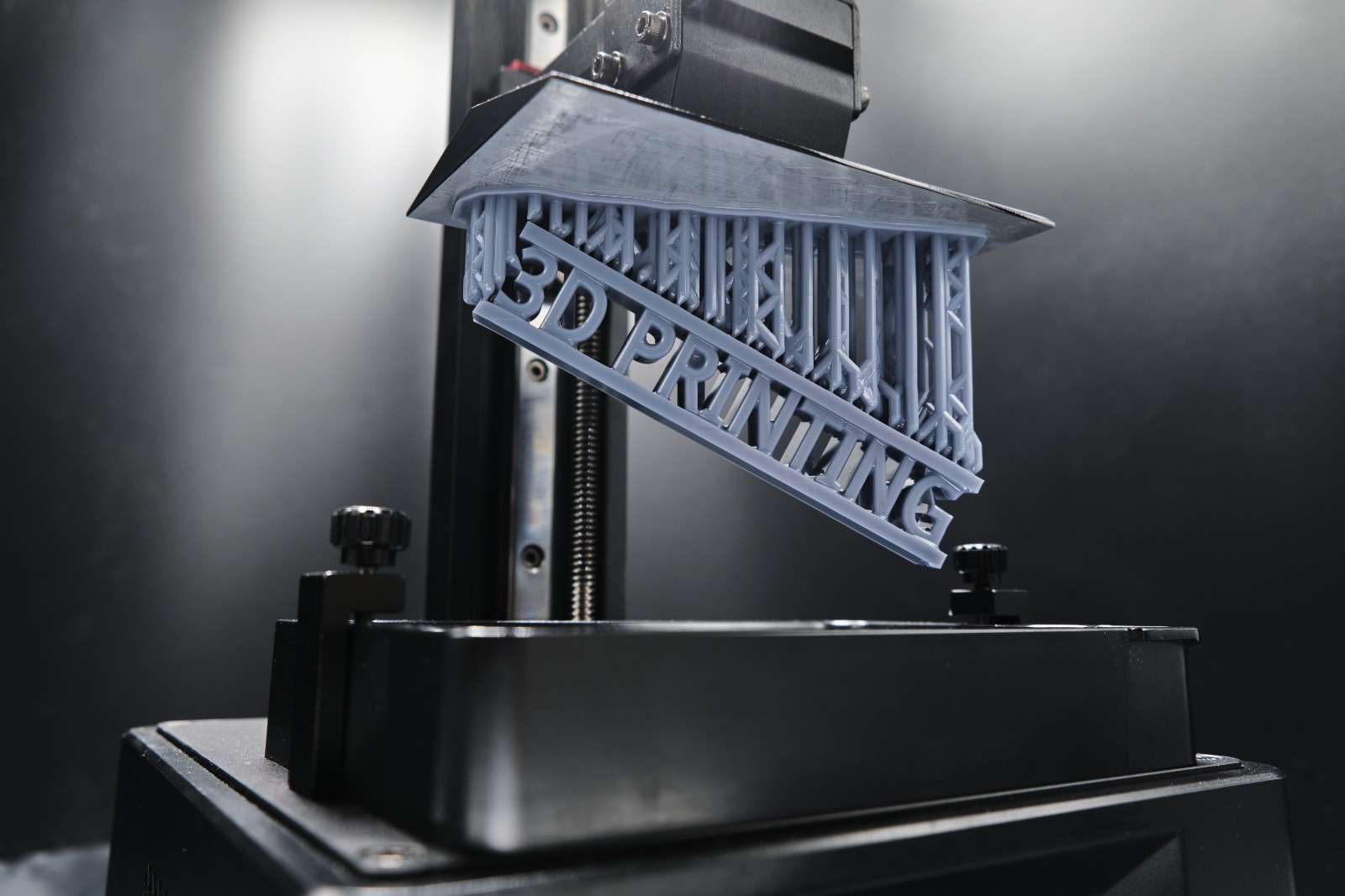
3D printing or additive manufacturing is a process of making three dimensional solid objects from a digital file.
The creation of a 3D printed object is achieved using additive processes. In an additive process an object is created by laying down successive layers of material until the object is created. Each of these layers can be seen as a thinly sliced cross-section of the object.
3D printing is the opposite of subtractive manufacturing which is cutting out / hollowing out a piece of metal or plastic with for instance a milling machine.
3D printing enables you to produce complex shapes using less material than traditional manufacturing methods.
This production process offers a range of advantages compared to traditional manufacturing methods. These advantages include those related to design, time and cost, amongst others.
1. Flexible Design
2. Rapid Prototyping
3. Print on Demand
4. Strong and Lightweight Parts
5. Fast Design and Production
6. Minimising Waste
7. Cost Effective
8. Ease of Access
9. Environmentally Friendly
10. Advanced Healthcare
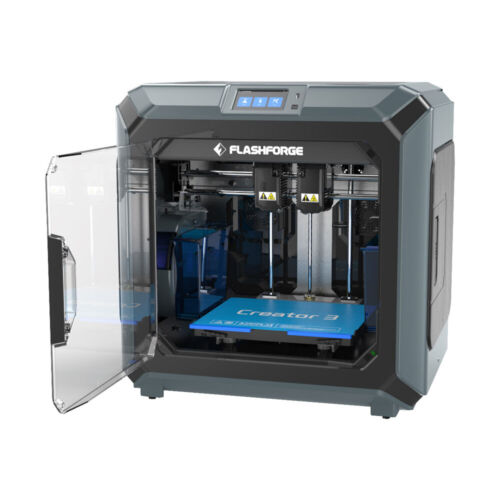
The table below summarizes the recommended and technically feasible values for the most common features encountered in 3D printed parts.
Feature | Recommended size |
Unsupported walls | 0.8 mm |
Supported walls | 0.8 mm |
Minimum feature size | 2.0 mm |
Minimum hole diameter | 2.0 mm |
We manufacture your parts according to strict manufacturing standards. Verification of these requirements is included in our inspection report that is shipped with every order.
The table below summarizes the recommended and technically feasible values for the most common features encountered in 3D printed parts.
Feature | Recommended size |
Unsupported walls | 1.0 mm |
Supported walls | 0.5 mm |
Minimum feature size | 0.2 mm |
Minimum hole diameter | 0.5 mm |
Minimum escape hole diameter | 4.0 mm |
We aim to give the lowest possible prices. All quotes will include shipping and quote an expected lead time.
Please click the upload model link and we will respond with a quotation within 24hrs.
3D printing encompasses many forms of technologies and materials as 3D printing is being used in almost all industries you could think of. It’s important to see it as a cluster of diverse industries with a myriad of different applications.
A few examples: